Why do we age?
Aging is a multi-layered and multifactorial process that occurs with the loss of physiological integrity of living organisms over time. This phenomenon, which cannot be explained by a single mechanism, is shaped by the combined effects of accumulated damage at cellular, molecular, and systemic levels, disruptions in energy metabolism, and evolutionary pressures.
Modern biogerontology* is built on two major approaches that attempt to explain aging in terms of both biological mechanisms and evolutionary origins: mechanistic theories and evolutionary theories. While mechanistic theories explain the “how” of aging, evolutionary theories, such as George C. Williams' “Antagonistic Pleiotropy Theory” and Thomas Kirkwood's “Disposable Soma Theory,” try to understand the “why” of aging. The question of whether aging is an evolutionarily selected trait or an inevitable byproduct is one of the fundamental debates in biology [1,2,6].
While DNA damage, mitochondrial defects, epigenetic disturbances, and loss of proteostasis form the core biological infrastructure of aging, the weakening effect of natural selection after the reproductive period, the balance of reproduction-lifespan, and the pleiotropic effects** of genes shed light on why these processes exist.
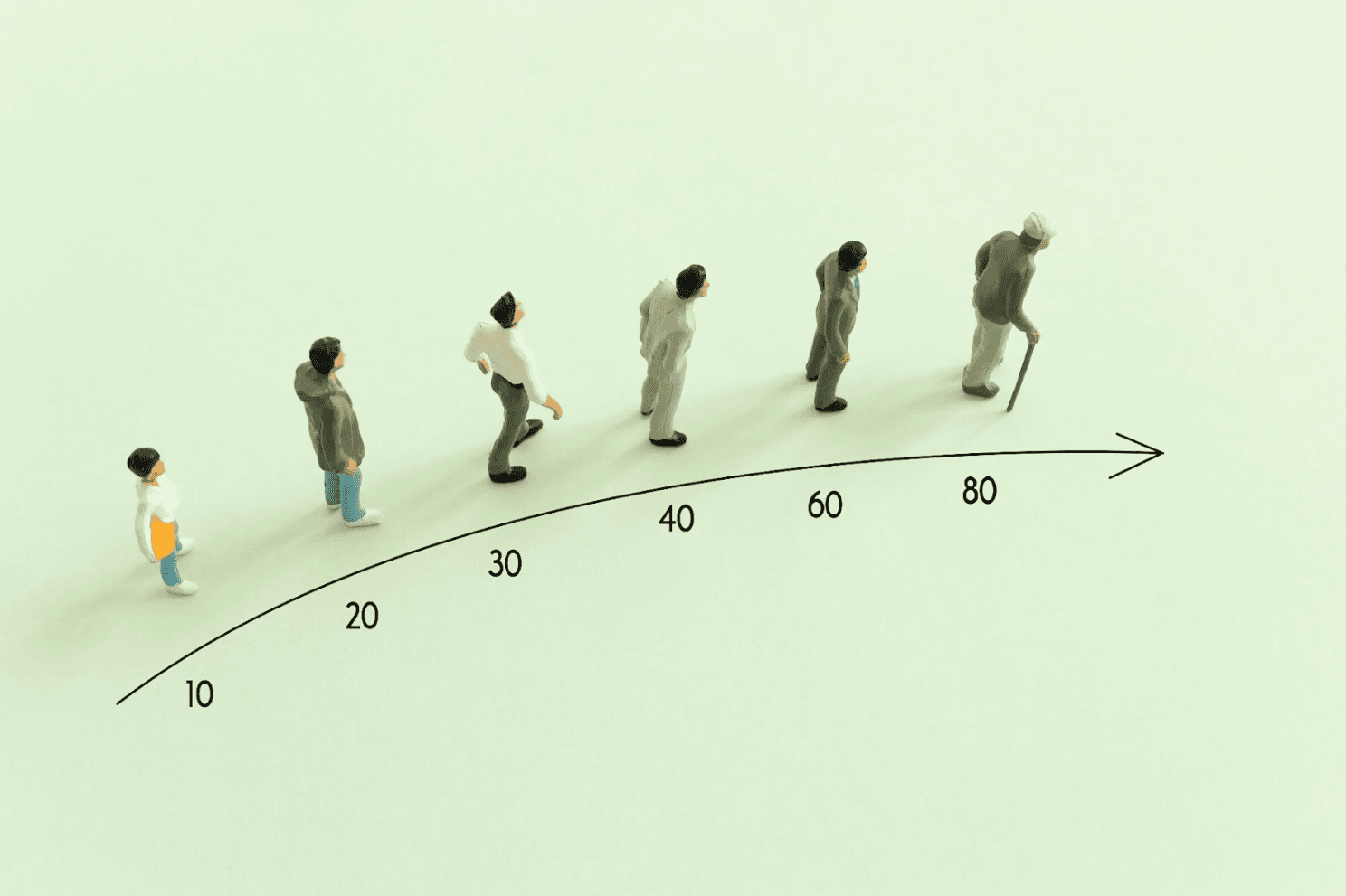
As research and discussions rapidly continue in the scientific world, the most common question that arises in daily life is “How can we live longer?” Even though this question seems simple, its answer is much more multi-layered than we think, because “how long we live” and “how we live” have never been the same thing.
The Real Question is Not How Long We Live, But How We Age
Let's first take a look at the basic concepts that are often confused when talking about lifespan.
“Life Expectancy” refers to the average lifespan of a particular society; in other words, it is a statistical average. In contrast, “Lifespan” is the observed maximum lifespan of a species, and today this value is accepted as a maximum of 120 years in humans [3].
“Longevity” on the other hand, defines the capacity to live beyond the average of the species. It is the possibility for individuals to live “longer than normal” under ideal conditions.
At the heart of this entire discussion lies one final concept: “Healthspan”. This concept expresses the “healthy periods” of life. That is, it defines a period without chronic diseases, mobility limitations, or quality of life losses. Healthspan is always shorter than lifespan. A person may fall ill at an early age, yet still live for many years, but these years may not align with their “long life” expectations as they do not generally pass healthily and productively [3].
Therefore, Longevity means not only “living longer” but also “staying healthy for a longer period.”
Research shows that a person's genetic code only reveals about 25-30% of their aging journey. The rest of the story is entirely up to us: our lifestyle, diet, activity level, sleep habits, and social environment [7].
Main behaviors that extend Healthspan according to sources [4]:
Nutrition: The direct determinant of cellular health. Research shows that those who eat closest to a plant-based Mediterranean diet tend to live longer and healthier. Vegetables, fruits, whole grains, and legumes provide a rich content in antioxidants that protect cells.
Exercise: Stronger heart and vascular health, improved metabolism, better balance, better sleep and mood... Hundreds of studies prove that physical activity extends lifespan.
Social ties and well-being: A wide study with 28,000 participants [8] reveals that regular socialization significantly prolongs lifespan. Optimism is associated with longer life even across different ethnic groups.
Not smoking, limited alcohol consumption, and regular sleep dramatically reduce the risks of chronic diseases.
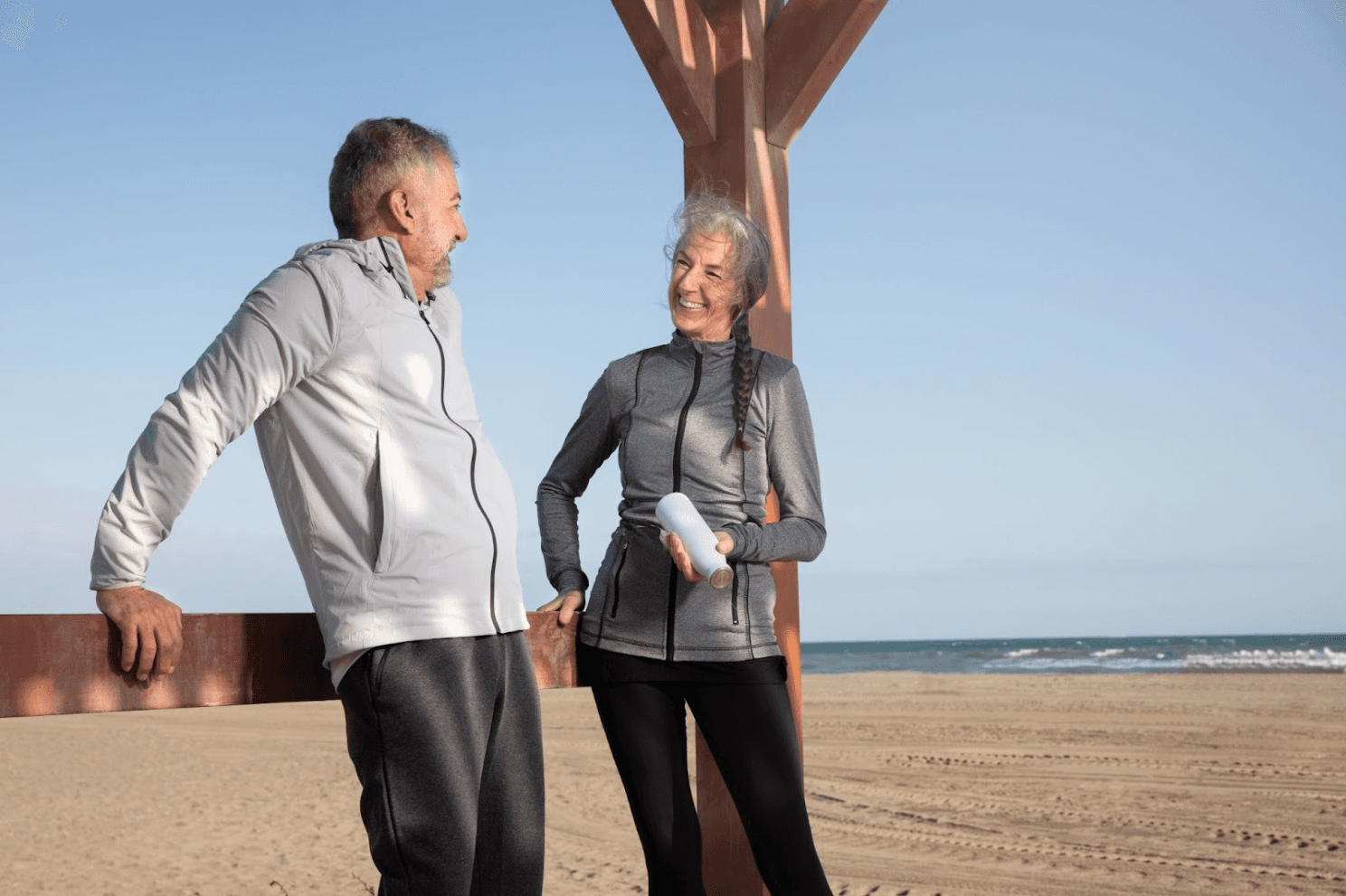
All these findings show that Healthspan is largely shaped by our daily habits. The most effective way to extend lifespan is to keep the body and mind stable, resilient, and productive for a long time.
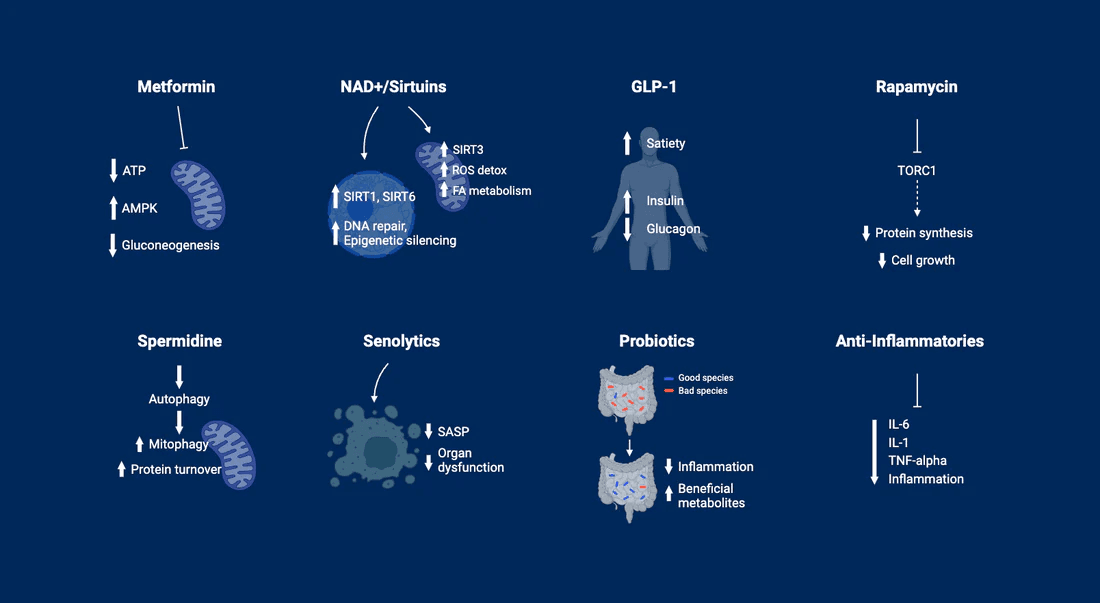
Source: Top 10 longevity studies of 2024, Elysium Health [5]
Looking at some of the most important scientific studies of recent years, we see that Longevity has become an area of research that is rapidly maturing scientifically [5].
Compounds such as NAD+ precursors, metformin, GLP-1 agonists, spermidine, and senolytics emerge as the most promising interventions targeting the mechanisms of aging.
The increase of more than 20% in the lifespan of mice with the deactivation of the IL-11 protein indicates how determinant inflammation is in aging.
Studies on “radical life extension” emphasize that medical advances increase lifespan, but the real breakthrough will come from slowing biological aging.
Hello Tomorrow Türkiye Summit 2026 offers a multi-layered meeting space that reminds us that deep technology is a tangible transformation shaping today and tomorrow.
On the first day of the Summit, Investor Day, leading investors from Türkiye and around the world will meet at the same table with selected deep tech startups, and the foundations of long-term collaborations that will enable future technologies will be laid.
On the second day, during Summit Day, with keynote speeches, startup presentations, panels, and an award ceremony; fundamental scientific and technological breakthroughs shaping the world of tomorrow, from industrial artificial intelligence to the transformation of factories, from the energy needs of the artificial intelligence revolution to quantum and neuromorphic hardware, will be on the agenda.
On the third day, with the HEALinc Summit 2026, we will focus on the most humane question of all this technological transformation: How can this progress make human life longer, healthier, and more qualitative?
HEALinc Summit 2026 - The Bridge Uniting Time and Deep Technology
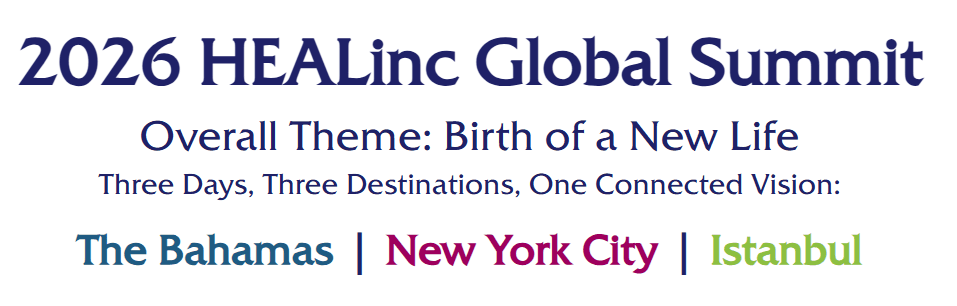
Research aimed at extending Healthspan is at the center of a global transformation covering clinical applications, regulatory ecosystems, investment trends, and patient experiences. The momentum that Longevity science has gained today requires an interdisciplinary, accessible, and human-centered approach like never before.
One of the most comprehensive platforms that brings together advanced regenerative medicine, stem cell therapies, genetic interventions, and long-life technologies in the world HEALinc is coming to İstanbul for the first time this year as part of Hello Tomorrow Türkiye Summit on May 16!
HEALinc Global Summit annually brings together scientists, clinicians, biotech entrepreneurs, investors, and policymakers around a single common purpose:
To extend, improve, and make human health accessible for everyone. The first two events of HEALinc Summit 2026 will be held in the Bahamas and New York, and the third event will be held in İstanbul as part of Hello Tomorrow Türkiye Summit.
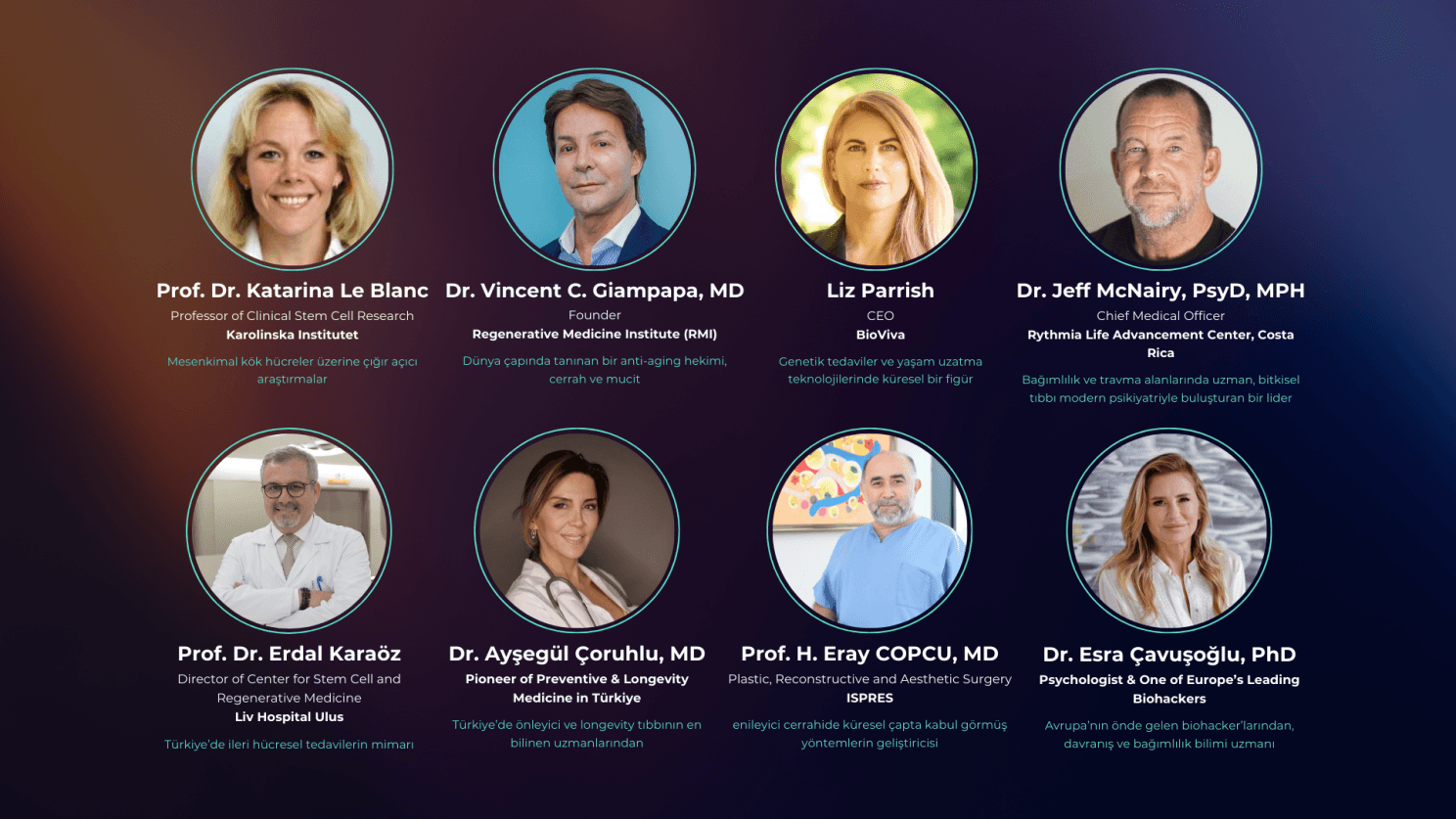
This year's Istanbul program will feature leading international and local experts in the field on stage:
Prof. Dr. Katarina Le Blanc, Professor of Clinical Stem Cell Research, Karolinska Institutet
Dr. Vincent Giampapa MD., F.A.C.S. mpapa, MD, Founder, Regenerative Medicine Institute (RMI)
Liz Parrish MBA, CEO, BioViva
Dr. Jeff McNairy, PsyD, MPH, Chief Medical Officer, Rythmia Life Advancement Center, Costa Rica
Prof. Dr. Erdal Karaöz, Director of Center for Stem Cell and Regenerative Medicine, Liv Hospital Ulus
Dr. AYSEGUL CORUHLU, MD, Pioneer of Preventive & Longevity Medicine in Türkiye
Prof. Eray COPCU, MD, Plastic, Reconstructive and Aesthetic Surgery, ISPRES
Dr. Esra Çavuşoğlu, PhD, Psychologist & One of Europe’s Leading Biohackers
On this special day, we will discuss where the science of longevity has reached today, how it is transferred to clinical applications, and which technologies will shape the design of future healthcare. At the same time, for the first time on this scale, HEALinc's strong international network and Hello Tomorrow Türkiye's deep tech-focused community will unite to open doors to new collaborations in longevity, biotechnology, and advanced healthcare solutions.
If you also want to closely follow scientific developments in longevity and regenerative medicine, meet startups working in this field, and connect with international researchers and investors, the HEALinc Summit - İstanbul program to be held on the 3rd day of 2026 Hello Tomorrow Türkiye Summit is the right address for you.
Join the Event: Let’s Shape the Future of Health Together
*Biogerontology: The scientific field that examines the biological mechanisms, causes, and consequences of aging on a cellular and molecular level
**Pleiotropic effects of genes: The condition where a single gene affects multiple, diverse biological traits or processes
References and further readings:
[1] Tower, J. (2025). Editorial: Mechanistic theories of aging. Frontiers in Aging, 6, 1617783. https://doi.org/10.3389/fragi.2025.1617783
[2] Mc Auley M. T. (2024). The evolution of ageing: classic theories and emerging ideas. Biogerontology, 26(1), 6. https://doi.org/10.1007/s10522-024-10143-5
[3] Dr. Maren Berghoff. What do the terms life expectancy, lifespan, longevity and health span mean?. Max Planck Institute https://www.age.mpg.de/what-do-the-terms-life-expectancy-lifespan-longevity-and-health-span-mean
[4] Els, L. C. (2024). Longevity: Lifestyle strategies for living a healthy, long life. Harvard Health. https://www.health.harvard.edu/staying-healthy/longevity-lifestyle-strategies-for-living-a-healthy-long-life[5] Elysium Health. (2024). Top 10 longevity studies of 2024. https://www.elysiumhealth.com/blogs/aging101/top-10-longevity-studies-of-2024?srsltid=AfmBOopwi_2_UvMEvb0_4U6nQ-6ZdsTjProEKoLk9FBADM29JXZ8vUwt
[6] Kimberly A. Hughes, Rose M. Reynolds. 2005. EVOLUTIONARY AND MECHANISTIC THEORIES OF AGING. Annual Review Entomology. 50:421-445. https://doi.org/10.1146/annurev.ento.50.071803.130409
[7] Passarino, G., De Rango, F. & Montesanto, A. Human longevity: Genetics or Lifestyle? It takes two to tango. Immun Ageing 13, 12 (2016). https://doi.org/10.1186/s12979-016-0066-z
[8] Wang Z, Zheng Y, Ruan H, et alAssociation between social activity frequency and overall survival in older people: results from the Chinese Longitudinal Healthy Longevity Survey (CLHLS) https://doi.org/10.1136/jech-2022-219791